Introduction to Wildfire Events
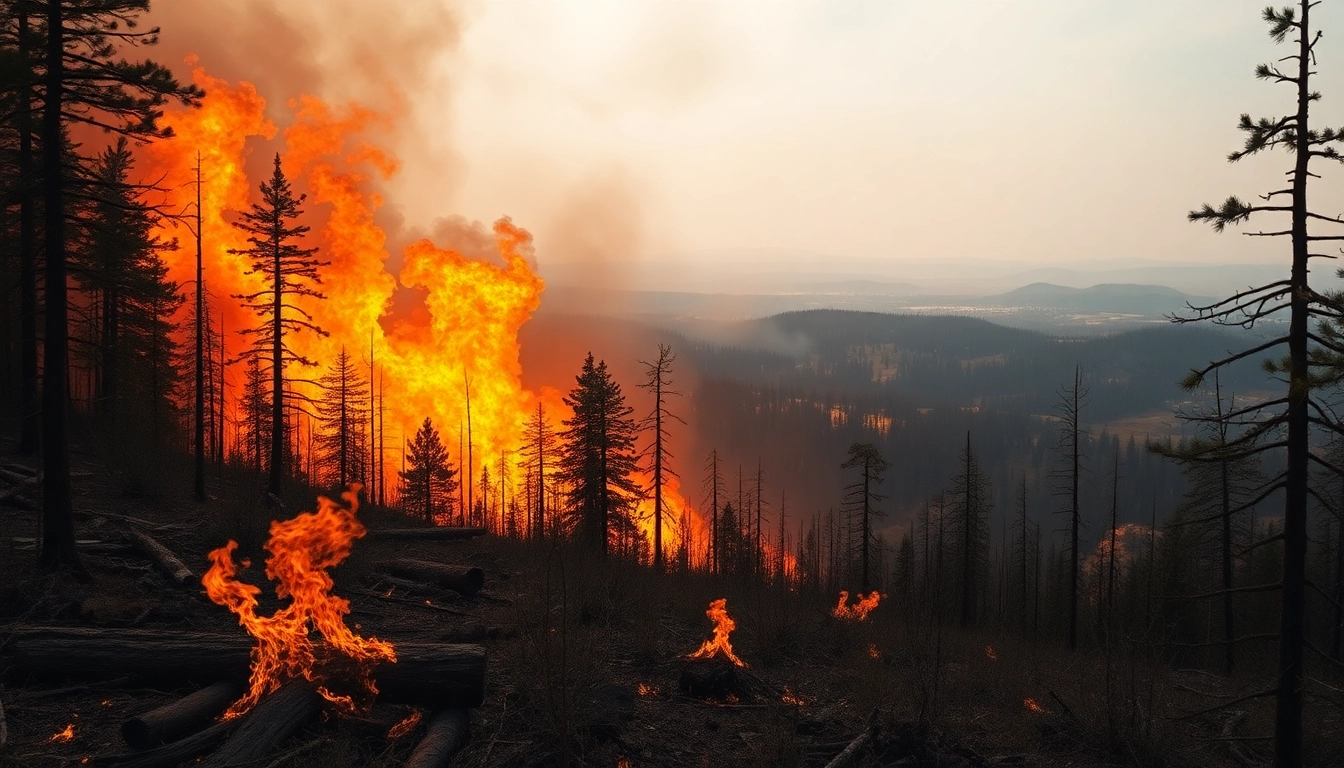
Wildfires are natural disasters that can result in catastrophic damages to both environments and human communities. Understanding Wildfire events requires knowledge about their causes, impacts, and the effective strategies for prevention and response. This article seeks to illuminate various aspects of wildfire events, providing readers with both foundational knowledge and actionable insights.
What Constitutes a Wildfire Event?
A wildfire event refers to any uncontrolled fire that occurs on undeveloped land, often characterized by its rapid spread and intensity. These fires can be fueled by natural elements such as dry vegetation and weather conditions or by human activities. Understanding what constitutes a wildfire is crucial for developing effective firefighting strategies and preventive measures.
Historical Context of Wildfire Events
Historically, wildfires have been part of ecological cycles, serving to cleanse forests and promote biodiversity. Significant past events, such as the Great Fire of 1910 in the United States, underscore the potential devastation of wildfires. These historical occurrences illustrate the evolving relationship between humans and wildfire events, highlighting the change in management practices over time.
The Scientific Explanation of Wildfires
Wildfires occur due to a combination of three essential elements: fuel, heat, and oxygen, often referred to as the "fire triangle." Each of these components plays a crucial role in the ignition and spread of flames. Understanding the chemical dynamics behind fire, such as combustion reactions and the role of moisture content in vegetation, enhances our ability to predict and manage wildfire events effectively.
Causes of Wildfire Events
Natural Factors Behind Wildfire Events
Natural causes of wildfires primarily include lightning strikes, volcanic eruptions, and spontaneous combustion of dried vegetation. These events often occur in remote areas where human intervention is minimal, making them unpredictable. Weather patterns, like prolonged periods of drought, significantly increase the risk of such fires.
Human Activities Contributing to Wildfire Events
Human activities are a major contributor to wildfire occurrences. These activities can range from recreational campfires left unattended to intentional arson. Agricultural practices, land clearing for development, and power lines can also spark fires that grow uncontrollably, emphasizing the need for responsible land use and fire safety practices amongst individuals.
Climate Change and Its Role in Wildfire Events
Climate change has been a significant underlying factor in the increasing frequency and severity of wildfires. Rising temperatures and altered precipitation patterns create conditions conducive to wildfires. The effects of climate change are further worsened by prolonged droughts, leading to an abundance of dry fuel available for combustion.
Impact of Wildfire Events
Environmental Consequences of Wildfire Events
Wildfire events lead to a range of environmental consequences, including habitat destruction, loss of biodiversity, and air and soil pollution. These fires can cause significant alterations to the ecosystem, including changes in soil composition and water runoff patterns, which may hinder recovery efforts after the event.
Health Risks Associated with Wildfire Events
The health ramifications of wildfire events extend beyond immediate fire damage. Smoke inhalation can lead to respiratory problems, heart disease, and other health issues. Vulnerable populations, such as the elderly and those with preexisting conditions, face heightened risks, necessitating community awareness and preparedness against such health threats.
Economic Impact of Wildfire Events
Economic impacts from wildfires can be staggering. They encompass the costs of firefighting efforts, loss of property, and the destruction of local businesses. Communities affected by wildfire events often face long-term economic challenges, which can take years to recover from, impacting job markets and local infrastructure.
Preventive Measures for Wildfire Events
Best Practices for Wildfire Events Prevention
Preventive measures are essential in minimizing the occurrence and effects of wildfire events. Best practices include maintaining defensible space around properties, using fire-resistant building materials, and practicing responsible land management. Regular fire breaks and removal of flammable vegetation can significantly reduce fire risk.
Community Engagement in Wildfire Events Preparedness
Community engagement plays a crucial role in wildfire preparedness. Local workshops, public education campaigns, and community drills can enhance readiness. Collaboration among residents, local businesses, and emergency services strengthens community resilience, ensuring that all stakeholders are aware of best practices in fire safety.
Government Policies on Wildfire Events
Effective government policies are fundamental in wildfire management and prevention. Such policies may include funding for fire management programs, investment in research on wildfire behavior, and policy frameworks focused on land zoning and urban planning. Governments must balance development with environmental conservation to mitigate future wildfire risks.
Responding to Wildfire Events
Emergency Response Strategies for Wildfire Events
Developing effective emergency response strategies is vital in managing wildfire events. These strategies typically involve early detection systems, rapid response teams, and resource allocation that optimally meets the demands of the situation. Coordination among local, state, and federal agencies ensures a unified response to wildfire situations.
Post-Wildfire Recovery and Support Initiatives
Post-wildfire recovery efforts focus on rehabilitating the affected areas and supporting victims. This may include financial assistance programs, mental health services for affected communities, and environmental rehabilitation projects. Restoration of ecosystems is critical to recover lost habitats and ensures the viability of local wildlife.
Community Resilience Building After Wildfire Events
Building community resilience involves strategies aimed at preparing communities for future wildfire events. This can include establishing community response teams, educational programs on fire preparedness, and regular assessments of risks and resources. Resilient communities are better equipped to adapt and recover quickly from wildfire events.
FAQs about Wildfire Events
What causes most wildfires?
Most wildfires are caused by human activities such as campfires, discarded cigarettes, and power lines, along with natural causes like lightning strikes.
How can we prevent wildfires?
Preventing wildfires includes creating defensible space around homes, practicing campfire safety, and promoting awareness about fire danger levels.
What are the health effects of wildfire smoke?
Wildfire smoke can lead to respiratory problems, heart issues, and aggravate conditions like asthma. Protection measures include staying indoors and using air purifiers.
What is community wildfire preparedness?
Community wildfire preparedness involves educating residents about fire safety, organizing evacuation plans, and conducting drills to enhance readiness.
How is wildfire recovery achieved?
Wildfire recovery combines financial support, environmental rehabilitation, and mental health services, aimed at rebuilding and restoring affected areas.