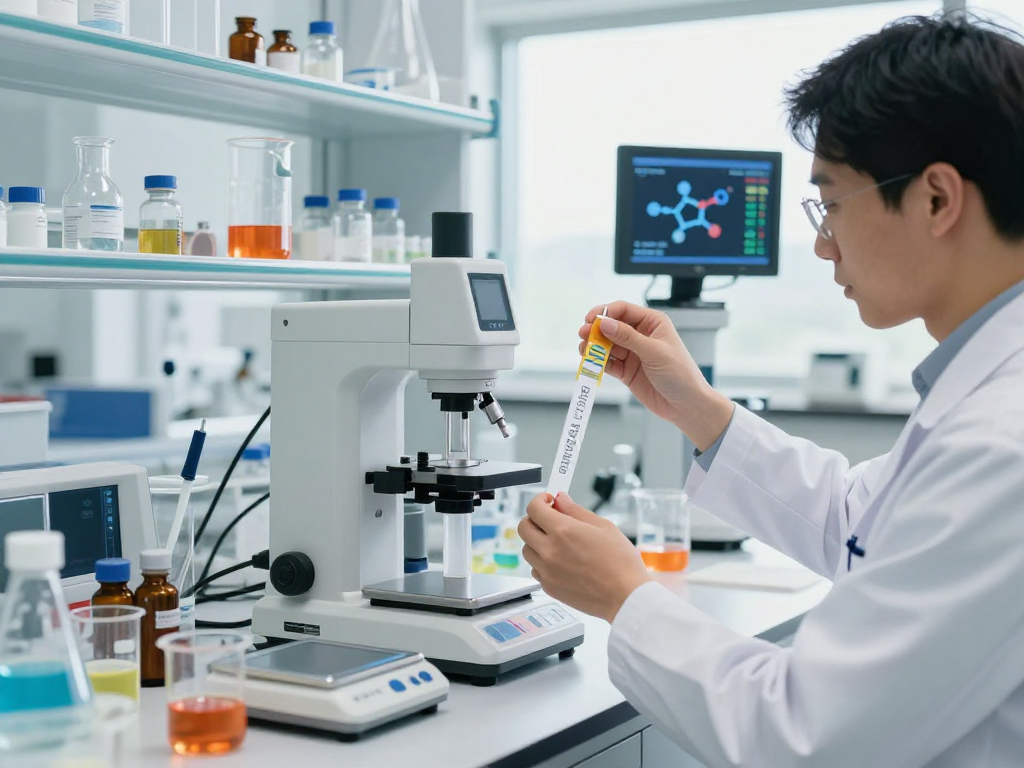
What is NAD+?
NAD+, or nicotinamide adenine dinucleotide, is a crucial coenzyme found in all living cells. This powerful molecule plays an essential role in various biochemical processes, acting as a facilitator in redox reactions, which are vital for energy production. NAD+ is involved in the conversion of nutrients into energy, supporting metabolic processes that power cellular functions. Its intricate relationship with other biological processes makes it a central figure in maintaining cellular health. Given its importance, understanding NAD+ is pivotal for those interested in nutrition, aging, and overall health. You can explore the intricacies of NAD+ further to recognize its profound impact on health and wellness.
The Role of NAD+ in Cellular Metabolism
NAD+ is fundamental in cellular metabolism, primarily serving as a key electron carrier in cellular respiration. It plays a crucial role in both glycolysis and the Krebs cycle, enabling the conversion of food into energy. As glucose is metabolized, NAD+ accepts electrons, becoming reduced to NADH, which then donates these electrons to the electron transport chain, ultimately leading to ATP production—the energy currency of cells.
Moreover, NAD+ acts as a substrate for various enzymes, including dehydrogenases and sirtuins, which regulate metabolic pathways, energy balance, and mitochondrial function. Its concentration within cells affects not only energy metabolism but also has profound implications for overall health and stress responses.
NAD+ and DNA Repair Mechanisms
NAD+ is integral to maintaining genomic stability through its involvement in DNA repair mechanisms. It is a necessary component for the activation of poly(ADP-ribose) polymerases (PARPs), enzymes that detect DNA damage and facilitate repair processes. PARPs utilize NAD+ to synthesize poly(ADP-ribose) chains that signal other repair proteins to the site of damage.
This functionality highlights the importance of NAD+ in protecting cells from mutations and the accumulation of DNA damage, which can lead to aging and the development of cancers. By ensuring efficient DNA repair, NAD+ supports cellular integrity and longevity.
Importance of NAD+ in Aging
The role of NAD+ in aging is an area of significant scientific inquiry. As we age, NAD+ levels tend to decline, which has been associated with various age-related diseases, including neurodegenerative disorders, cardiovascular diseases, and metabolic syndromes. This decline can lead to impaired cellular functions and increased DNA damage due to compromised repair mechanisms.
Research indicates that enhancing NAD+ levels in aged organisms can reverse some aspects of aging. Studies in model organisms have suggested that NAD+ restoration can improve mitochondrial function, promote DNA repair, and activate longevity genes. These findings have inspired the exploration of NAD+ supplementation as a potential strategy for promoting healthy aging.
Benefits of NAD+
Enhancing Energy Production with NAD+
NAD+ is essential for energy production in cells, and increasing its levels can enhance metabolic efficiency. Higher NAD+ concentrations boost the function of the electron transport chain, facilitating improved ATP synthesis. This can lead to increased vitality and reduced fatigue.
Moreover, enhanced NAD+ levels can improve insulin sensitivity and lipid metabolism, which are critical for maintaining energy homeostasis. Individuals seeking to optimize their performance—whether in athletic pursuits or daily activities—may find profound benefits in promoting NAD+ levels.
NAD+ and Neuroprotection
NAD+ has been identified as a protective factor in neurodegenerative diseases such as Alzheimer's and Parkinson's. The decline of NAD+ levels is linked to increased oxidative stress and inflammation, both of which contribute to neuronal damage.
Research has shown that supplementing with NAD+ or its precursors can have neuroprotective effects. By supporting mitochondrial function and reducing oxidative damage, NAD+ helps stabilize neuronal health, potentially preventing cognitive decline and enhancing brain function.
Role of NAD+ in Boosting Athletic Performance
For athletes, NAD+ plays a vital role in enhancing performance through its influence on energy metabolism and recovery. Increased NAD+ levels can improve muscle function, endurance, and overall energy availability during high-intensity exercise.
Additionally, NAD+ influences the repair processes necessary for muscle recovery post-exercise. By minimizing muscle fatigue and promoting regeneration, athletes utilizing NAD+ supplementation may experience improved performance and quicker recovery times, making it essential for sports nutrition.
NAD+ Sources and Supplementation
Natural Sources of NAD+
NAD+ is synthesized endogenously from vitamin B3 (niacin) and its derivatives, including niacinamide and nicotinamide riboside. Diets rich in these nutrients can support the body's NAD+ levels. Foods containing niacin include meat, fish, chicken, turkey, mushrooms, green peas, and fortified cereals.
Additionally, certain foods like milk and yeast contain nicotinamide riboside, which has gained attention for its potential to enhance NAD+ through supplementation. A balanced diet with sufficient B vitamins is crucial for maintaining optimal NAD+ levels.
Benefits of NAD+ Supplements
NAD+ supplements offer an effective means to enhance cellular NAD+ levels, particularly as dietary intake may not provide sufficient quantities. Supplementation can lead to various benefits, including improved energy levels, enhanced cognitive function, and better metabolic health.
Some studies suggest that supplements like nicotinamide riboside or nicotinamide mononucleotide may promote longevity and alleviate age-associated declines in health by restoring NAD+ levels in various tissues, providing a targeted approach for those looking to mitigate the effects of aging.
Recommended Dosages for Optimal Health
The optimal dosage for NAD+ supplementation may vary based on individual health goals and conditions. General recommendations suggest a daily intake ranging from 300 mg to 1000 mg of nicotinamide riboside or nicotinamide mononucleotide. Consulting with a healthcare professional is advisable to personalize dosages, especially for those with existing health conditions.
Monitoring responses to supplementation can guide adjustments, ensuring that individuals are achieving their desired health outcomes without adverse effects. Timing of intake (morning versus evening) may also influence effectiveness, with most recommendations favoring morning consumption for energy-boosting effects.
The Science Behind NAD+ and Health
Research Studies Supporting NAD+
Numerous studies have highlighted the importance of NAD+ in various health contexts. Research indicates that restoring NAD+ levels in aged models results in improved metabolic health, increased mitochondrial biogenesis, and enhanced cellular repair processes.
Clinical trials exploring the effects of NAD+ precursors have shown promising results in adults, from improved cognitive function to enhanced physical performance. The growing body of evidence underscores NAD+ as a vital component of health, warranting further investigation into its therapeutic potential.
Impact of NAD+ on Metabolic Health
NAD+ has a profound impact on metabolic health by regulating metabolic pathways involved in energy production, fat metabolism, and insulin sensitivity. Research has demonstrated that insufficient NAD+ levels are associated with metabolic disorders, such as obesity and type 2 diabetes.
Restoring NAD+ levels can improve metabolic flexibility, allowing the body to efficiently switch between carbohydrate and fat metabolism. This adaptability is crucial for maintaining balanced energy levels and overall health, making NAD+ an exciting target for metabolic health interventions.
NAD+ and Its Role in Disease Prevention
The protective role of NAD+ extends to the prevention of various diseases, including cancer, neurodegeneration, and cardiovascular disorders. By enhancing DNA repair mechanisms and reducing oxidative stress, NAD+ supports cellular resilience in the face of damage and stress.
This stress response is especially critical in rapidly dividing cells, where DNA damage can lead to malignancies. The current research points toward NAD+ as a promising compound for therapeutic interventions, potentially shaping future prevention strategies against prevalent diseases.
Frequently Asked Questions about NAD+
What is the primary function of NAD+?
NAD+ primarily functions as a key coenzyme in metabolic processes, facilitating energy production and participating in redox reactions crucial for cellular function.
Can NAD+ supplements improve energy levels?
Yes, NAD+ supplements can enhance energy levels by improving mitochondrial function and boosting ATP production essential for cellular activities.
Is NAD+ supplementation safe for everyone?
While NAD+ supplementation is generally considered safe, individuals should consult a healthcare provider before initiating any supplementation, especially those with health conditions.
What foods enhance NAD+ levels naturally?
Foods rich in niacin, like meats, fish, nuts, and green vegetables, can help naturally elevate NAD+ levels in the body.
How does NAD+ affect longevity?
NAD+ is linked to longevity by enhancing DNA repair, improving metabolic functions, and reducing age-related diseases, thus promoting overall health and lifespan.