What is Mining?
Definition of Mining
Mining is fundamentally the process of extracting valuable geological materials from the Earth. These materials often include metals, minerals, and precious stones that are vital for various industries and economic activities. Whether it involves digging in the ground, extracting from seabeds, or utilizing modern technologies, the aim of mining is to procure resources that cannot be otherwise sourced. As an integral element of the global economy, mining plays a pivotal role in providing raw materials necessary for manufacturing, energy, and infrastructure development.
Historical Development of Mining
The history of mining goes back thousands of years. The earliest evidence of mining dates back to ancient civilizations, where people extracted materials such as flint to create tools. Over time, as societies advanced, so did mining techniques. The Romans established extensive mining operations across their empire, particularly for silver, gold, and lead. The Industrial Revolution marked a significant turning point, as machinery replaced manual labor, allowing for large-scale operations. Today, mining has evolved into a sophisticated and technologically driven industry that encompasses different methodologies and environmental considerations.
Importance of Mining in Modern Society
Mining is critical to modern society as it underpins numerous sectors. It is essential for the manufacturing of electronics, construction materials, automobiles, and renewable energy technologies. Metals like copper, aluminum, and rare earth elements are indispensable for innovations and infrastructure development. Furthermore, mining contributes significantly to economies, providing employment opportunities and generating revenue for governments through taxation. As such, the sustainability and efficiency of mining operations are crucial in addressing future challenges while fostering economic growth.
Main Types of Mining
Surface Mining Techniques
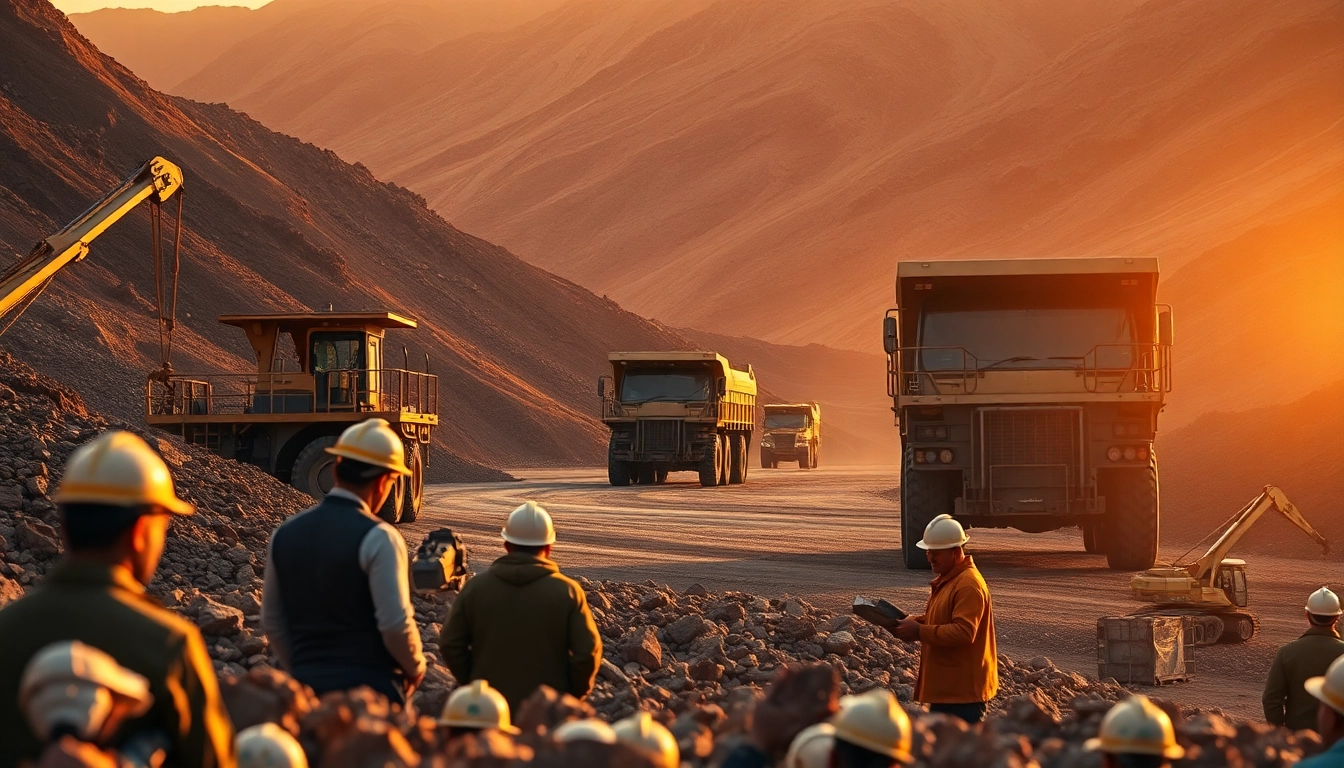
Surface mining encompasses various techniques used to extract materials located near the earth's surface. It allows for the removal of vast amounts of earth and rock in shallow deposits. Techniques include:
- Open-Pit Mining: This method involves creating a large pit in the ground and is often used for extracting minerals like copper and gold.
- Strip Mining: Primarily used for coal extraction, it involves stripping away the overburden to access the coal seams beneath.
- Mountaintop Removal: In this controversial technique, the tops of mountains are removed to access coal seams, causing significant environmental changes.
Underground Mining Methods
When deposits are too deep for surface mining, underground mining becomes necessary. It is often more expensive but can be more effective for certain minerals. Methods include:
- Shaft Mining: This involves creating vertical shafts deep into the ground to extract minerals.
- Room and Pillar Mining: Miners carve out chambers on horizontal seams of ore and leave pillars to support the structure.
- Longwall Mining: A mechanized process where a long wall of coal is mined in a single slice, allowing for more efficient extraction.
Placer and In-Situ Mining
Placer mining typically refers to the extraction of minerals from alluvial deposits, like those found in riverbeds. Common methods involve panning, sluicing, and dredging. In-situ mining, on the other hand, uses solutions to extract minerals directly from ore deposits without transporting rock to the surface. This method is frequently used for uranium extraction and has gained traction due to its lower environmental impact.
Mining Processes Explained
Exploration and Site Preparation
The journey of mining begins with exploration. Geologists conduct surveys and studies to identify potential mining sites using advanced technologies like geophysics and geological mapping. Once a viable site is identified, extensive site preparation follows, which may entail the clearing of vegetation, construction of access roads, and establishment of infrastructure necessary for operations. Retrieving samples and conducting environmental assessments during this phase is crucial for ensuring compliance with regulations.
Extraction Techniques
After site preparation, the extraction phase commences. Depending on the type of mining, this might involve the use of drills, explosives, and large machinery. Effective extraction techniques not only maximize the quantity of materials obtained but also minimize environmental disruption. Monitoring systems are implemented to ensure safety and efficiency during this phase.
Post-Extraction Processing
Post-extraction, the raw materials undergo processing to separate and refine the valuable components from the unusable parts. This might include crushing and grinding the materials, followed by chemical processing or smelting to extract metals. The quality of the final product largely impacts its market value, making this stage critical for economic viability.
Environmental Considerations of Mining
Impact on Ecosystems
Mining activities can have significant adverse effects on the environment, particularly on local ecosystems. Soil erosion, habitat destruction, and contamination of water sources can occur as a result of mining operations. It has become increasingly clear that mitigating these impacts is imperative for sustainable mining practices. Continuous monitoring and rehabilitation of mined areas are necessary to restore ecological balance.
Mitigation Strategies
To ameliorate environmental impacts, companies are adopting various mitigation strategies. These may include:
- Implementing best practices for waste management and minimizing waste generation.
- Using environmentally friendly technologies and processes.
- Restoration and reforestation initiatives to rehabilitate mined sites.
Sustainable Mining Practices
Sustainable mining involves balancing economic, social, and environmental factors. Companies are increasingly integrating sustainability into their core practices. This includes ESG (environmental, social, and governance) criteria in decision-making, promoting circular economy principles, and engaging with local communities to foster mutually beneficial outcomes.
Future Trends in Mining
Technological Innovations
The future of mining is being shaped by rapid technological advancements. Automation, artificial intelligence, and machine learning are enhancing operational efficiency and safety in mining. Furthermore, digital twins and remote sensing allow for improved resource management, enabling companies to make data-driven decisions.
Economic Implications
Mining trends are heavily influenced by global commodities markets and economic fluctuations. The demand for critical minerals essential for renewable energy and digital technologies is driving investment in mining sectors. Understanding market dynamics is vital strategical for companies to adapt and thrive in fluctuating economies.
The Role of Policy in Mining
Mining policies have significant implications for operational practices and sustainability goals. Governments are implementing stricter regulations regarding environmental protection, community engagement, and labor rights. Navigating these regulatory landscapes is essential for mining companies to maintain a competitive edge and ensure long-term viability.
Frequently Asked Questions (FAQs)
1. What is mining?
Mining is the process of extracting valuable minerals and resources from the Earth's crust, essential for various industries.
2. What are the types of mining?
Main types include surface mining, underground mining, placer mining, and in-situ mining, each suited to different resources.
3. How does mining affect the environment?
Mining can cause habitat destruction, soil erosion, water pollution, and increased greenhouse gas emissions if not properly managed.
4. What are sustainable mining practices?
Sustainable mining practices aim to balance economic output with environmental conservation and social responsibility, minimizing negative impacts.
5. What technological innovations are shaping mining?
Innovations include automation, AI, machine learning, and advanced data analytics, enhancing efficiency and safety in mining operations.