What is Mining?
Definition and Scope of Mining
Mining is the process of extracting valuable geological materials and minerals from the surface of the Earth. This practice is essential for obtaining resources indispensable for various industries, including construction, technology, and energy. The scope of mining encompasses a variety of materials, primarily metals such as copper, gold, and coal, which are crucial to modern society. In its broadest sense, mining also refers to extracting resources from oceans and other bodies of water, including salt and gas deposits.
Types of Mining Techniques
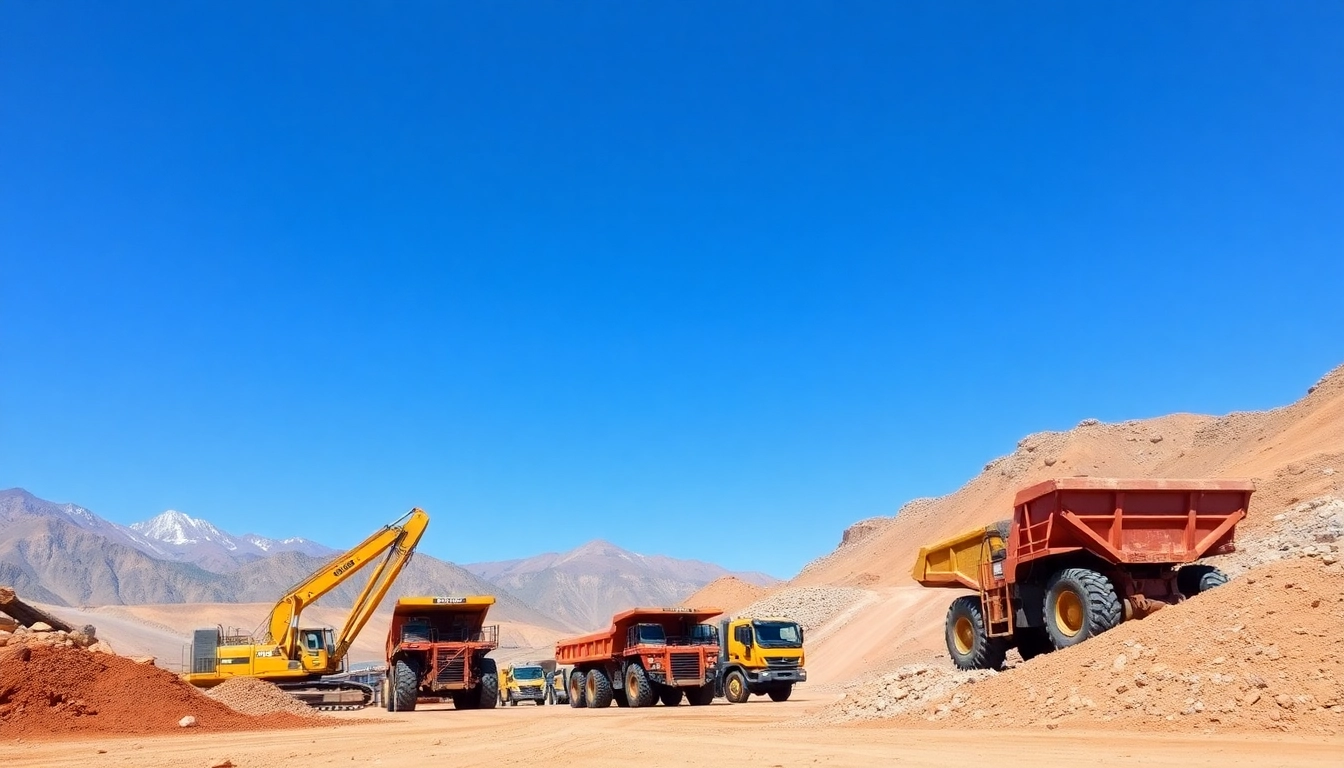
Mining techniques can be broadly classified into two categories: surface mining and underground mining. Surface mining involves removing rock and soil to access minerals close to the surface, making it more efficient in terms of resource extraction. Various methods of surface mining include:
- Open-pit Mining: Excavating large open holes to extract resources like copper and iron ore.
- Strip Mining: Removing layers of soil in strips to expose minerals, commonly used for coal extraction.
- Quarrying: Extracting stone and aggregate materials from the Earth’s surface.
Underground mining, on the other hand, is employed when minerals are located deep within the Earth. This method includes:
- Shaft Mining: Creating vertical tunnels to reach buried resources.
- Room and Pillar Mining: Leaving supporting pillars while extracting minerals from horizontal deposits.
- Longwall Mining: Using a powerful shearer to remove minerals across a long wall of coal.
Environmental Impact of Mining
The environmental effects of mining are significant, ranging from habitat destruction to pollution. Surface mining often leads to deforestation, soil erosion, and loss of biodiversity. Additionally, mining activities can pollute water sources with toxic chemicals, impacting both aquatic life and communities relying on these waters for consumption. To mitigate these impacts, proper regulations and sustainable practices are necessary to balance the economic benefits of mining with environmental protection.
Historical Perspective on Mining
Mining Through the Ages
Mining has existed for thousands of years, dating back to ancient civilizations that relied on extracted minerals for tools and jewelry. Initially, surface mining was the predominant method, but as technology advanced, more sophisticated underground mining techniques emerged. This evolution reflects humanity's growing need for various metals and minerals, each era marking significant milestones in mining practices.
Technological Advancements in Mining
The mining industry has experienced profound technological advancements, including the introduction of automated systems, drones for surveying, and real-time data analytics. These innovations have improved efficiency, increased safety, and reduced costs in mining operations. Notably, the use of software to analyze geological data has transformed how companies assess mineral deposits and plan extraction strategies.
Significant Mining Discoveries
Some of the most notable mining discoveries have shaped economies and altered histories. For instance, the Gold Rush in the mid-1800s led to rapid population growth in North America and significantly impacted the United States economy. Likewise, the discovery of diamonds in Africa brought vast wealth but also highlighted the need for ethical mining practices to avoid exploitation.
Mining Methods Explained
Surface Mining Techniques
Surface mining techniques are primarily employed when mineral deposits are located close to the Earth's surface. Methods vary based on the materials being extracted and the geological conditions. Open-pit mining is one of the most common techniques, allowing miners to remove large quantities of material efficiently. Strip mining, suited for horizontal deposits, allows for the retrieval of shallow mineral seams while minimizing disturbance to the surrounding environment.
Subsurface Mining Strategies
Subsurface mining strategies are crucial for accessing deeper mineral deposits. These techniques require a greater investment in technology and safety, as they involve working underground. The extraction process often includes creating tunnels and shafts to reach resources directly. Longwall mining and room and pillar mining are popular subsurface methods, each suitable for different coal and mineral types.
Placer Mining Overview
Placer mining focuses on extracting minerals from soil and sediment in riverbeds or stream beds. This technique often involves sifting through materials with water to separate heavier gold or other minerals. Placer mining is typically less intrusive to the environment than some other forms, but improper management can still result in significant ecological impacts.
The Economic Importance of Mining
Mining's Role in Global Markets
Mining occupies a vital role in global markets, supplying raw materials essential for various industries, including technology, construction, and energy. The demand for minerals such as lithium and cobalt for electric vehicle batteries has elevated mining's significance in supporting the transition to renewable energy sources. Geopolitical factors influence the prices and availability of these materials, highlighting mining's dynamic nature in the global economy.
Mining and Job Creation
The mining sector is a significant source of employment, often providing jobs in regions where opportunities are limited. These positions range from skilled engineers and technicians to labor-intensive roles. Community investment and workforce development initiatives are crucial for maximizing the benefits of mining for local populations, ensuring sustainable economic growth.
Future of Mining Economics
The future of mining economics hinges on technological advancements, resource management, and the transition to more sustainable practices. As demand for renewable resources grows, mining companies are focused on innovative extraction techniques, recycling metals, and reducing their carbon footprints. The evolution of the industry will likely involve greater cooperation and transparency with stakeholders, including communities and regulatory bodies.
Frequently Asked Questions about Mining
What minerals are most commonly mined?
The most commonly mined minerals include coal, gold, copper, iron ore, and various industrial minerals such as limestone and clay, essential for construction and manufacturing.
How does mining affect the environment?
Mining can lead to deforestation, soil erosion, pollution of air and water, and loss of biodiversity. Mitigation practices are essential to minimize these impacts and promote environmental sustainability.
What are the safety measures in mining?
Safety measures in mining include regular training for workers, proper protective equipment, strict adherence to regulations, and emergency response plans to address accidents and incidents effectively.
What careers exist in the mining industry?
Careers in mining encompass a range of roles, including mining engineers, geologists, environmental scientists, equipment operators, and safety managers, ensuring diverse job opportunities.
How is mining regulated in the US?
Mining in the US is regulated by federal and state laws, focusing on environmental protection, labor safety, and land reclamation. Agencies like the Environmental Protection Agency oversee compliance with regulations.