
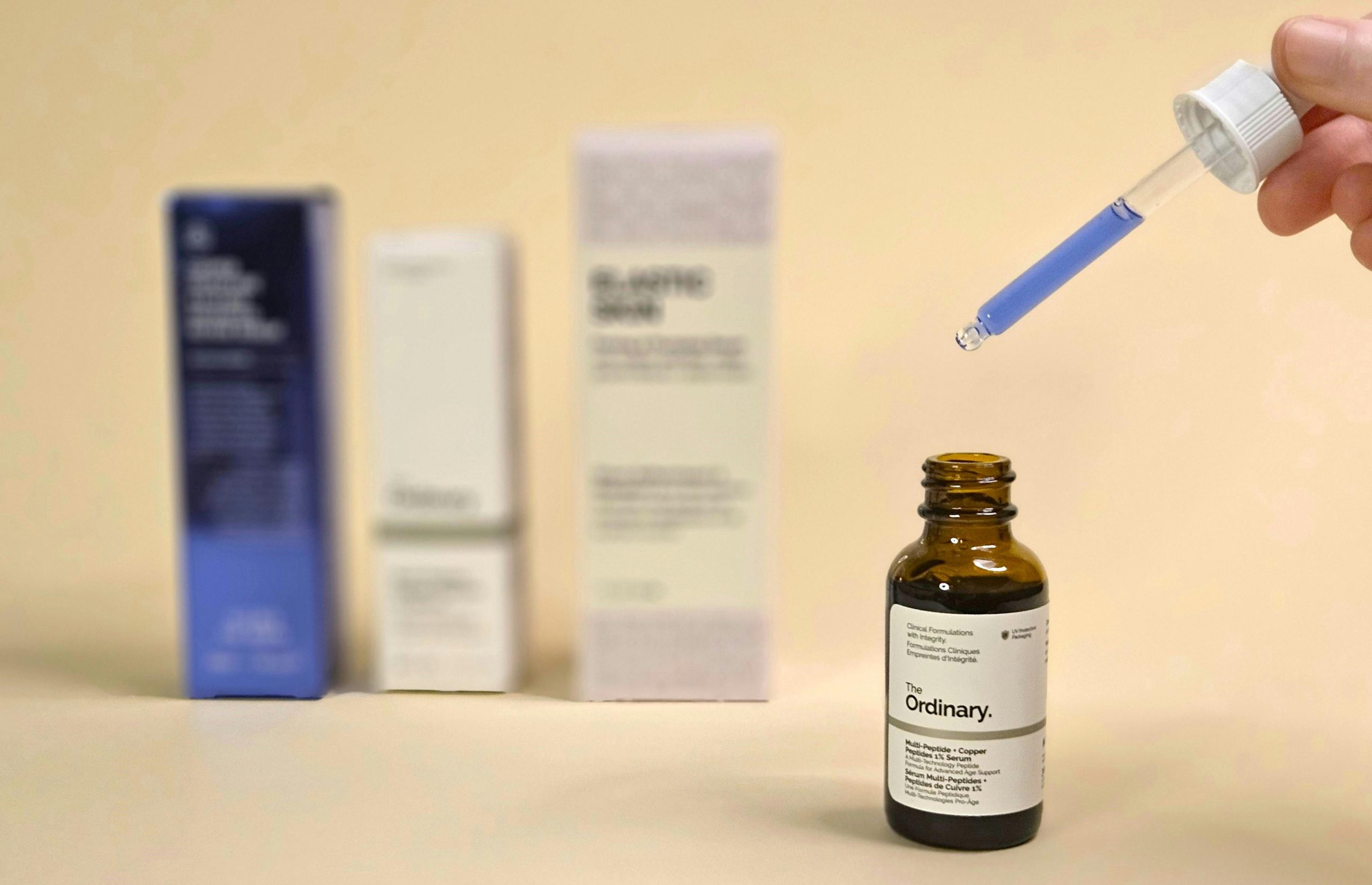
GHK-CU is a naturally occurring copper-binding peptide that plays a critical role in tissue repair, cellular regeneration, and overall biological health. Composed of glycine, histidine, and lysine, GHK-CU forms a stable complex with copper ions, which enhances its biological activity. This peptide-copper complex is present in human plasma, saliva, and urine, and its molecular functions are central to regenerative medicine, dermatology, and anti-aging research.
Structure and Composition of GHK-CU
The tripeptide GHK-CU binds copper ions through its histidine residue, forming a biologically active complex. This complex enables GHK-CU to interact with cell membranes, influence gene expression, and regulate signaling pathways. By stabilizing copper in a bioavailable form, GHK-CU ensures that cells can utilize this essential trace element for enzymatic activity, tissue repair, and antioxidant defense.
Cellular Mechanisms of GHK-CU
GHK-CU regulates multiple cellular processes, including collagen and elastin synthesis, extracellular matrix remodeling, and fibroblast activation. These functions allow GHK-CU to repair damaged tissues efficiently and maintain structural integrity in skin, hair, and connective tissue. Research shows that GHK-CU can modulate gene expression related to inflammation, oxidative stress, and wound healing, highlighting its role in cellular homeostasis.
Wound Healing and Tissue Repair
One of the most significant molecular functions of GHK-CU is its role in wound healing. GHK-CU promotes fibroblast proliferation, enhances angiogenesis, and reduces oxidative stress, creating an optimal environment for tissue repair. Its ability to regulate inflammatory responses further supports efficient healing. Studies indicate that GHK-CU accelerates recovery from injuries and improves the quality of regenerated tissue.
Skin and Hair Regeneration
GHK-CU has profound effects on skin and hair health. By stimulating collagen and elastin production, GHK-CU improves skin elasticity, reduces fine lines, and enhances overall skin texture. For hair, GHK-CU strengthens follicles, promotes growth, and reduces thinning. These regenerative effects demonstrate the peptide’s versatility and importance in cosmetic and therapeutic applications.
Anti-Inflammatory and Antioxidant Functions
The GHK-CU complex exhibits significant anti-inflammatory and antioxidant properties. By modulating gene expression, GHK-CU reduces oxidative stress and chronic inflammation, which are major contributors to tissue aging and cellular damage. These molecular actions support long-term tissue health and resilience, making GHK-CU a key peptide for regenerative therapies.
Research and Future Applications
Ongoing research on GHK-CU is exploring innovative applications in regenerative medicine, wound care, and anti-aging treatments. Scientists are investigating advanced delivery methods, including topical and injectable formulations, to maximize the peptide’s effectiveness. The multifunctional molecular properties of GHK-CU ensure it remains a valuable focus in both clinical and cosmetic research.
Conclusion
GHK-CU is a biologically active copper peptide with diverse molecular functions. By supporting collagen synthesis, tissue repair, hair follicle health, and antioxidant defense, GHK-CU contributes to overall cellular regeneration and health. Its ability to modulate gene expression, reduce inflammation, and enhance tissue repair highlights the therapeutic and cosmetic potential of GHK-CU, making it a cornerstone in regenerative and anti-aging science.