
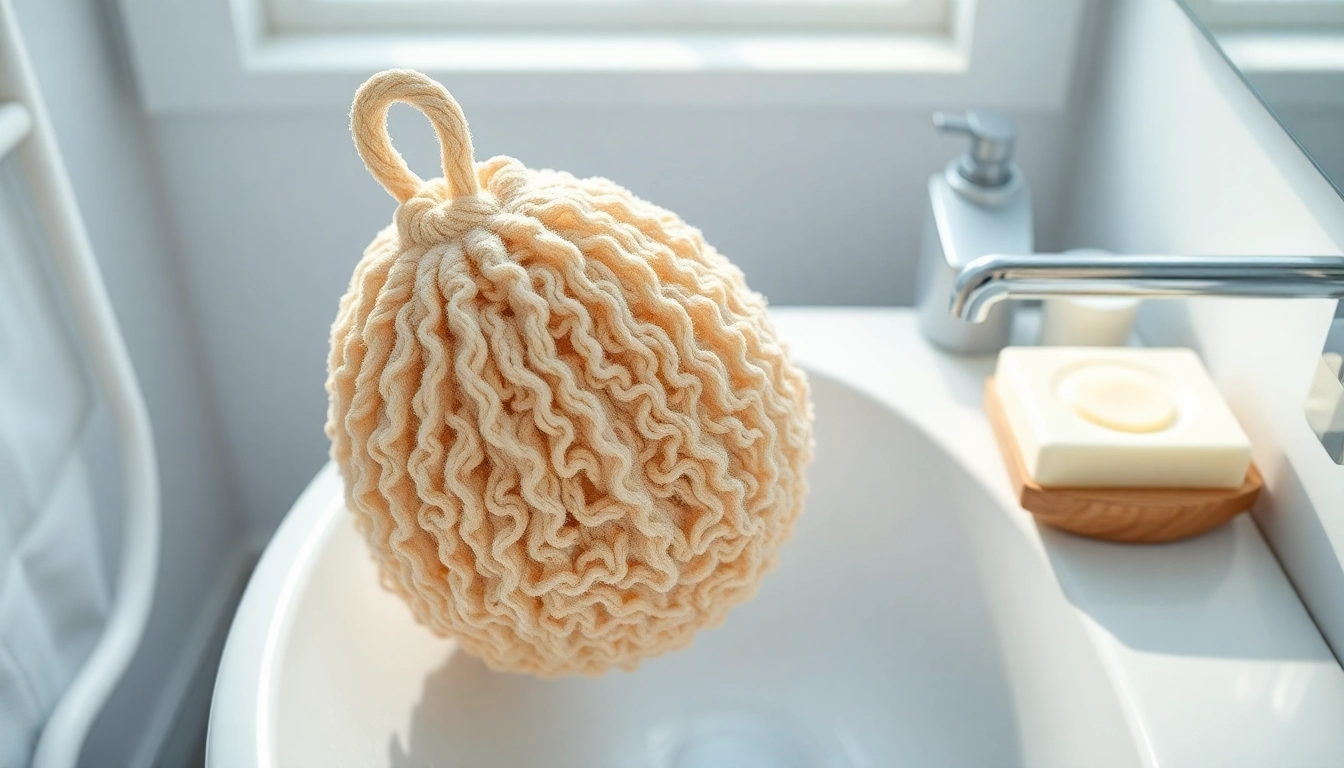
Understanding the Importance of Cleaning Your Loofah
Your loofah, often a staple in your shower routine, serves as a wonderful exfoliation tool that can help you achieve smooth, soft skin. However, without proper care, this humble accessory can become a breeding ground for bacteria and fungi. This makes learning how to clean a loofah not just a matter of hygiene, but one of health as well. In the following sections, we will delve into the importance of cleaning your loofah routinely, how to identify when it needs cleaning, and the best methods to keep it fresh and safe for your skin.
Why Clean a Loofah Regularly?
Loofahs are often made from natural fibers, which provide excellent exfoliation properties. However, these very fibers can trap soap residues, skin cells, and moisture, creating an ideal environment for germs and mold to thrive. Regular cleaning ensures that you are not reintroducing harmful microbes to your skin each time you scrub. A clean loofah can enhance your shower experience while preventing skin irritations or infections.
Signs Your Loofah Needs Cleaning
Recognizing when your loofah needs a good clean is essential. Key indicators include:
- Foul Odor: A musty or unpleasant smell emanating from your loofah is a clear sign of bacterial growth.
- Discoloration: Any change in color, especially dark spots, suggests mold development.
- Slime or Sticky Texture: If your loofah feels slimy or sticky to the touch, it’s time to clean it.
- Frequent Use: If you use it daily without cleaning, consider washing it after a few uses, even if it looks clean.
Ingredients for Natural Cleaning
Natural cleaners are ideal for maintaining your loofah. Consider using:
- White Vinegar: A natural disinfectant that can eliminate bacteria.
- Baking Soda: It helps deodorize and clean the fibers without harsh chemicals.
- Castile Soap: A gentle soap that can effectively break down oils and grime.
- Essential Oils: Oils like tea tree or lavender add antibacterial properties and a pleasant scent.
Step-by-Step Guide on How to Clean a Loofah
Using Soap and Water Method
This is the simplest method to clean your loofah. Start by rinsing it under warm water to remove any surface debris. Then, apply a small amount of Castile soap directly onto the loofah. Work the soap into the fibers, using your fingers to gently scrub. Rinse it thoroughly under warm running water until the soap is completely washed away. Squeeze out excess water before letting it dry in a well-ventilated area.
Vinegar and Baking Soda Approach
This method provides a deeper clean. Begin by soaking your loofah in a solution of vinegar and warm water (1:5 ratio) for about 30 minutes. After soaking, sprinkle baking soda over the loofah and gently scrub it with your hands. The reaction between the vinegar and baking soda helps lift embedded dirt and kill bacteria. Rinse thoroughly and hang it up to dry.
Boiling Water Technique
If your loofah is particularly grimy, boiling is an effective cleaning method. Boil a pot of water and add your loofah to it for about 10 minutes. This method kills most germs and removes soap residues. Be sure to let it cool before handling, and rinse it under cold water to stop the cooking process. Once clean, allow it to dry completely to prevent mildew.
How Often Should You Clean Your Loofah?
Daily Maintenance Tips
After each use, rinse your loofah under hot water to remove soap and debris. Gently squeeze out excess water and hang it in a well-ventilated area to dry. This reduces moisture retention, making it less likely for bacteria to grow.
Weekly Deep Cleaning Tips
In addition to daily maintenance, deep clean your loofah once a week using any of the methods mentioned above. This will help eliminate any bacteria or odors that may have built up despite your regular care.
Signs It’s Time to Replace Your Loofah
Even with proper cleaning, loofahs have a limited lifespan. Replace your loofah if you notice:
- Worn-Out Texture: If it’s losing its exfoliation capability or feels too soft.
- Peeled or Damaged Fibers: This suggests it’s time for a replacement.
- Persistent Odor: If deep cleaning doesn’t remove unpleasant odors.
Alternative Cleaning Tools for Your Bath
Choosing Natural Sponges
If you find loofahs to be troublesome, natural sponges may be a great alternative. They are biodegradable and generally easier to clean. Look for sponges harvested sustainably from sea environments to minimize environmental impact.
Benefits of Silicone Scrubbers
Silicone scrubbers have gained popularity for their antibacterial properties and ease of cleaning. Unlike traditional loofahs, silicone does not harbor bacteria and can be washed in the dishwasher, making them a hygienic choice.
Care for Washcloths and Brushes
Should you prefer washcloths or brushes, remember to wash them regularly as well. Cotton washcloths can be machine-washed with hot water and detergent, while bath brushes should be rinsed and dried thoroughly to prevent mold growth.
FAQ: Frequently Asked Questions
What can I use to clean my loofah?
You can use natural cleaning agents like vinegar, baking soda, Castile soap, and essential oils to clean your loofah effectively.
How can I tell if my loofah is too dirty?
Signs of a dirty loofah include bad odors, discoloration, a slimy texture, or visible mold. If you notice these signs, it’s time for a cleaning.
Is it safe to boil my loofah?
Yes, boiling your loofah in water is a safe method to kill bacteria and germs. Just ensure it’s cooled before handling.
How long should a loofah last?
A properly maintained loofah typically lasts 3-4 weeks. Replace it sooner if you notice damage or persistent odors.
Can I use bleach to clean my loofah?
While bleach can disinfect, it can also degrade natural fibers and leave residue. Stick to natural cleaning methods for better longevity.