
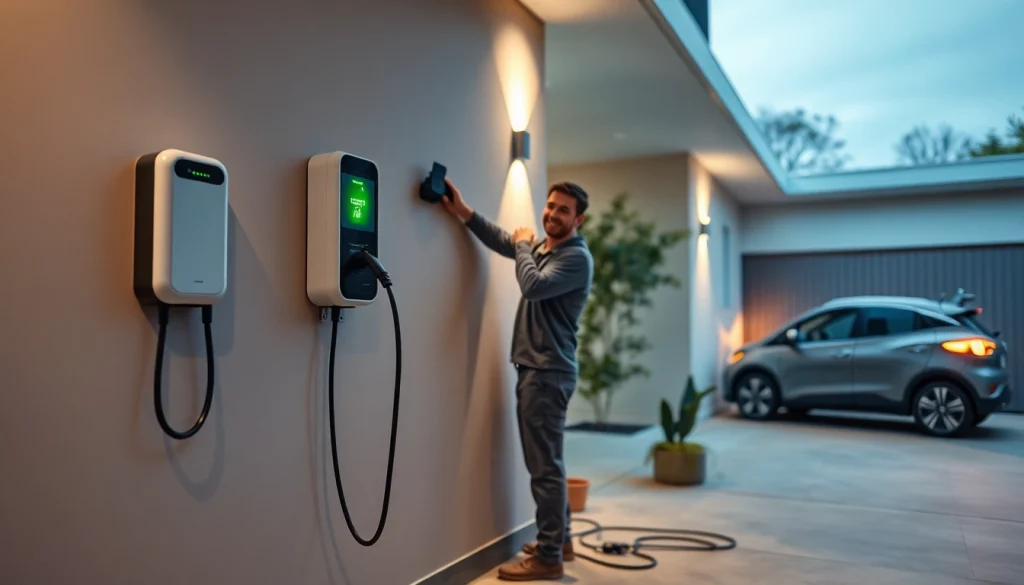
Understanding Electric Vehicle Charger Installation Price
As the demand for electric vehicles (EVs) continues to surge, so does the need for efficient home charging solutions. Installing an electric vehicle charger can significantly enhance the convenience of owning an EV. However, understanding the electric vehicle charger installation price is crucial for potential buyers. In this article, we will explore various factors influencing installation costs, typical price ranges for different charger types, and hidden charges that could impact your overall spending.
1. Factors Influencing Installation Costs
Several key factors can influence the installation costs of electric vehicle chargers:
- Type of Charger: Level 1 chargers, which operate on standard home outlets, are generally cheaper to install compared to Level 2 chargers that require dedicated circuits.
- Electrical Upgrades: If your home’s electrical system requires upgrades to accommodate an EV charger, such as new circuits or a higher capacity panel, your installation costs can increase significantly.
- Location: The distance between your main electrical panel and the installation site affects the amount of cabling needed, thereby impacting labor and materials costs.
- Labor Costs: Installation costs vary by region. Cities with a higher cost of living typically have higher labor rates for certified electricians.
- Permit and Inspection Fees: Depending on local regulations, you may need to obtain permits and inspections, which can add to the overall price.
2. Average Price Ranges for Different Charger Types
The price of installing a home EV charger can vary widely depending on the charger type and complexity of the installation. Here’s a breakdown of typical costs:
- Level 1 Charger: Typically ranges from $300 to $800, including basic installation.
- Level 2 Charger: Generally costs between $600 and $2,000, including labor, materials, and any necessary electrical upgrades.
- High-Powered DC Fast Chargers: These can cost $3,000 to $5,000 or more, mostly suitable for commercial applications or specialized home installations.
3. Hidden Costs to Consider
While planning your installation, be aware of potential hidden costs:
- Preparation Work: Costs for pre-installation inspections or repairs to your electrical system can add up.
- Additional Equipment: If you choose smart charger options with additional features, expect to pay extra.
- Wiring and Conduit: If your installation site requires longer cable runs or conduit, the expenses can increase.
- Post-installation Support: Ensure you account for any future service or maintenance needs after installation.
Five Easy Steps to Your Home EV Charger Installation
Installing a home EV charger can be a straightforward process if you follow these five easy steps:
1. Getting Started with Your Installation
Start by assessing your home’s electrical capacity and determining which type of charger you would like to install. Consult with a certified electrician to evaluate your needs.
2. Obtaining a Tailored Quote
Once you know your requirements, obtain a tailored quote from a reputable installation service. Many companies can provide an estimate based on your location and electrical setup.
3. Scheduling Your Installation Day
After accepting the quote, schedule an installation date that fits your calendar. Ensure you prepare your home for the install, such as clearing the area around your electrical panel.
4. Installation Day
On installation day, the certified electrician will arrive to connect your charger. They will ensure that everything meets safety standards before providing you with a certificate of compliance.
5. Ready, Set, Charge!
After installation is complete, you can begin charging your electric vehicle at home, offering unprecedented convenience for your daily needs.
Building Types and Their Impact on Costs
The type of building where you plan to install an EV charger can significantly affect the installation costs and techniques used.
1. Single-Phase vs. Three-Phase Systems
Most residential homes operate on single-phase systems, which can accommodate basic charging needs. However, larger homes or multi-family units may have three-phase systems that allow for faster charging. The type of system you have will greatly influence the installation approach and overall costs.
2. Homeowner Considerations Based on Building Type
Different building types come with unique considerations. For instance, apartments may require coordination with property management, while single-family homes offer more flexibility in installation choices.
3. Adapting Installation Techniques for Different Settings
Electricians may need to use different installation techniques based on the building’s structure. For example, installations in older homes may require additional upgrades to comply with current safety standards.
Common FAQs About EV Charger Installation
If you’re considering installing an EV charger in your home, you may have some questions. Here are answers to some of the most common FAQs:
1. What Are the Standard Installation Procedures?
Standard installation procedures typically include a site assessment, obtaining necessary permits, electrical work, installation of the charger, and testing to ensure functionality and safety.
2. Timeframe for Installation Completion
Most home installations can be completed in approximately 2 to 4 hours, depending on complexity. More extensive installations may take longer.
3. Warranty and Safety Certification Details
Always ensure that the electrician provides a warranty on their workmanship and issues a Certificate of Electrical Safety, confirming that the installation meets local standards.
Future Trends in EV Charger Installation Costs
As electric vehicles become increasingly prevalent, the landscape of charger installation is evolving. Here are some trends to watch for in 2025 and beyond:
1. Anticipated Pricing Changes for 2025
With advancements in technology and increased competition, installation prices are expected to stabilize, making it more affordable for homeowners to go electric.
2. Innovations in Charging Technologies Affecting Costs
Emerging technologies, such as wireless charging and smart charging systems, are likely to impact future installation costs and user experiences positively.
3. The Role of Government Incentives in Installation Prices
Government programs and incentives promoting electric vehicle use and infrastructure development can reduce the effective installation costs for homeowners, making EV ownership more accessible.